On June 11, 2024, Xiamen University’s College of Foreign Languages and Cultures (CFLC) signed a strategic cooperation agreement with the China-Russia Digital Economy Research Center, marking a significant step in strengthening academic collaboration and student development opportunities. The signing ceremony was attended by CFLC’s leadership team, including Party Committee Secretary Xu Qi and Vice Dean Liu Yue, who met with the Center’s Executive Secretary-General Yu Xiao to formalize the partnership.
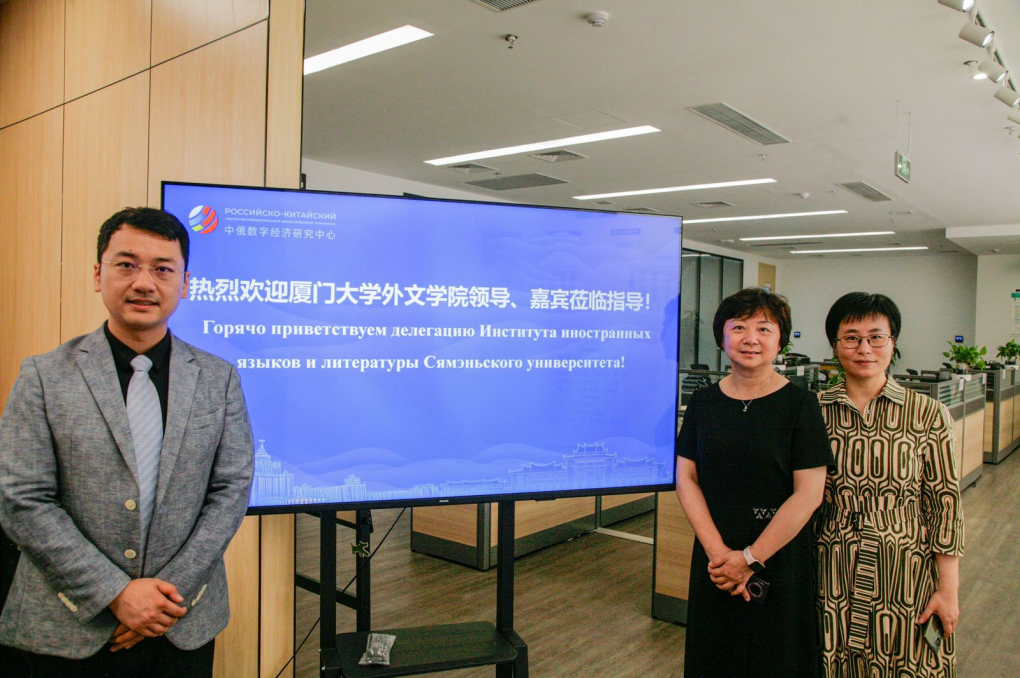
During the discussions, Secretary-General Yu Xiao highlighted the Center’s extensive network across Russia and BRICS nations, proposing collaborative initiatives in joint academic programs and student internships. Secretary Xu Qi emphasized CFLC’s commitment to advancing China-Russia relations through interdisciplinary education and talent cultivation, noting how this partnership aligns with the university’s internationalization strategy.
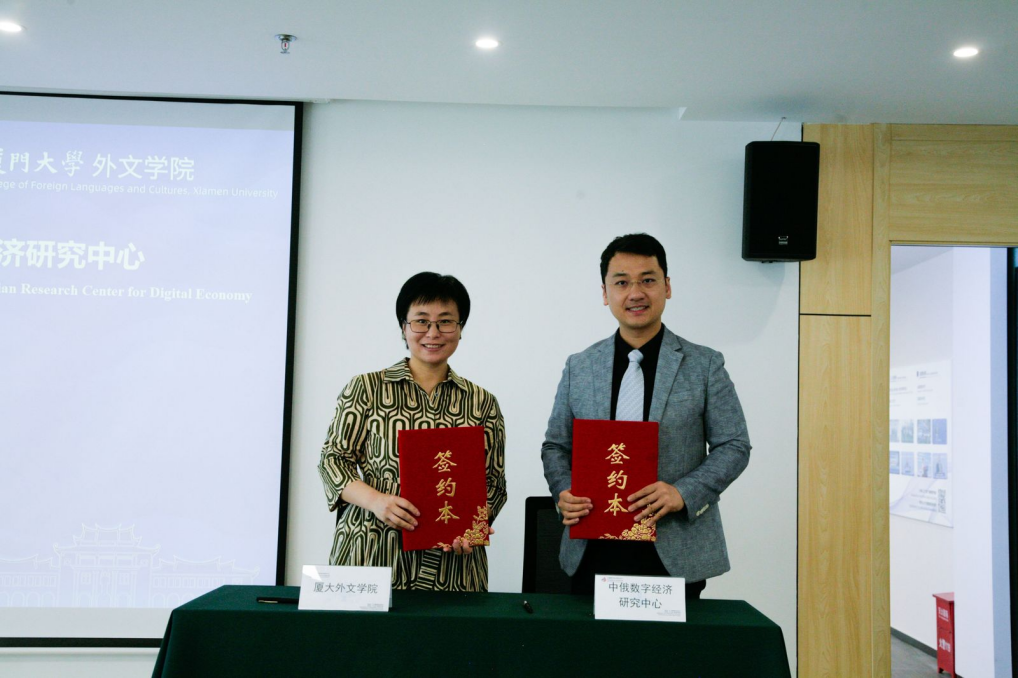
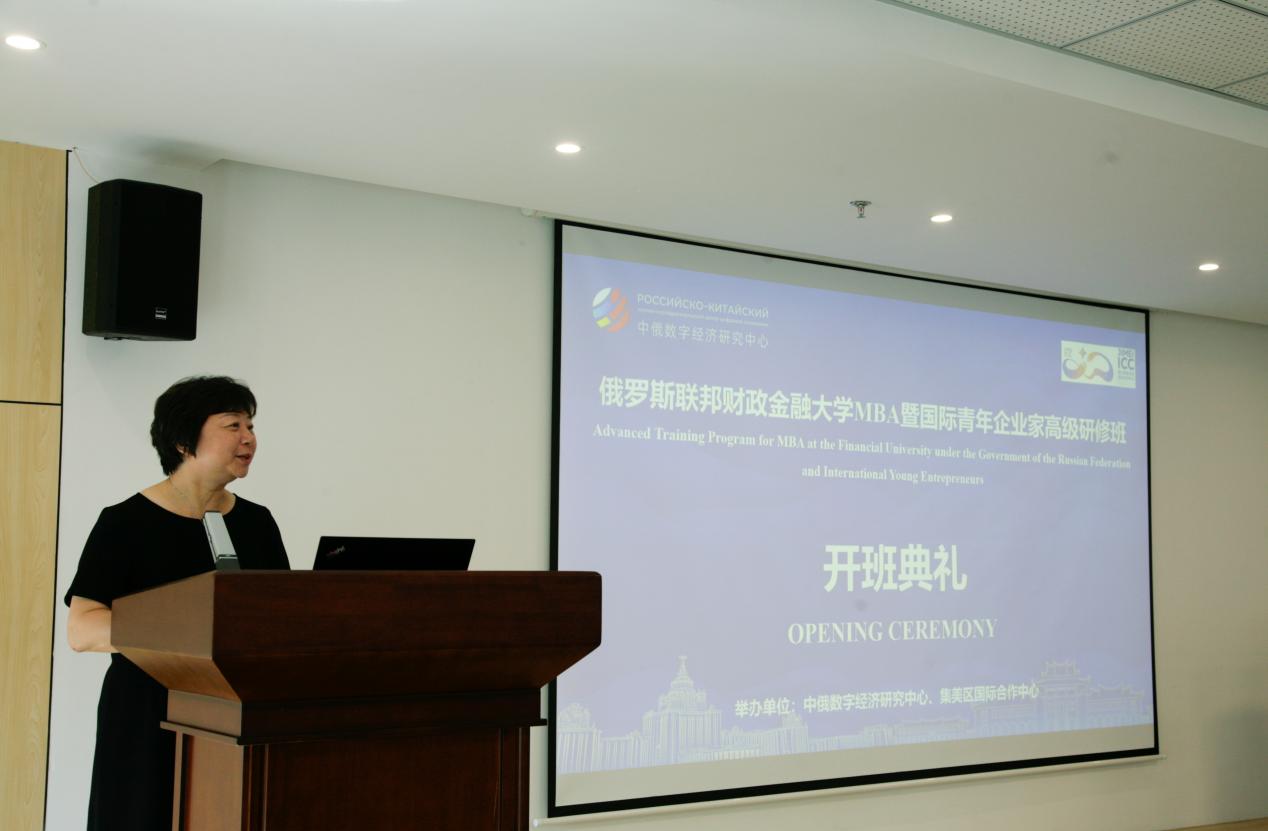
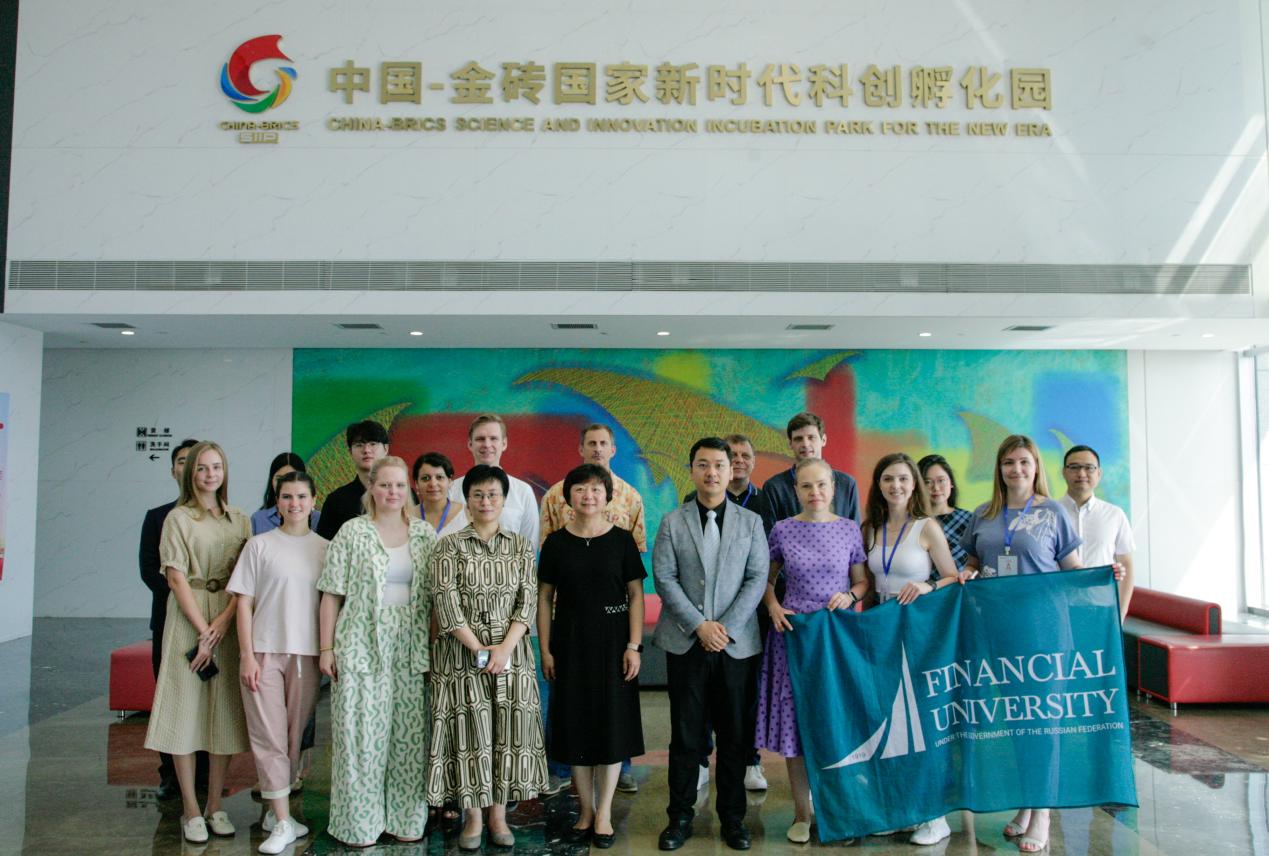
The agreement establishes concrete cooperation in three key areas: collaborative research projects, professional training programs, and student-industry exchanges. These initiatives will provide CFLC students with practical experience while contributing to digital economy development in both countries. The signing coincided with the opening of a special training program for MBA students and young entrepreneurs from Russian Federation Financial University, where Secretary Xu Qi delivered an inspiring keynote address.
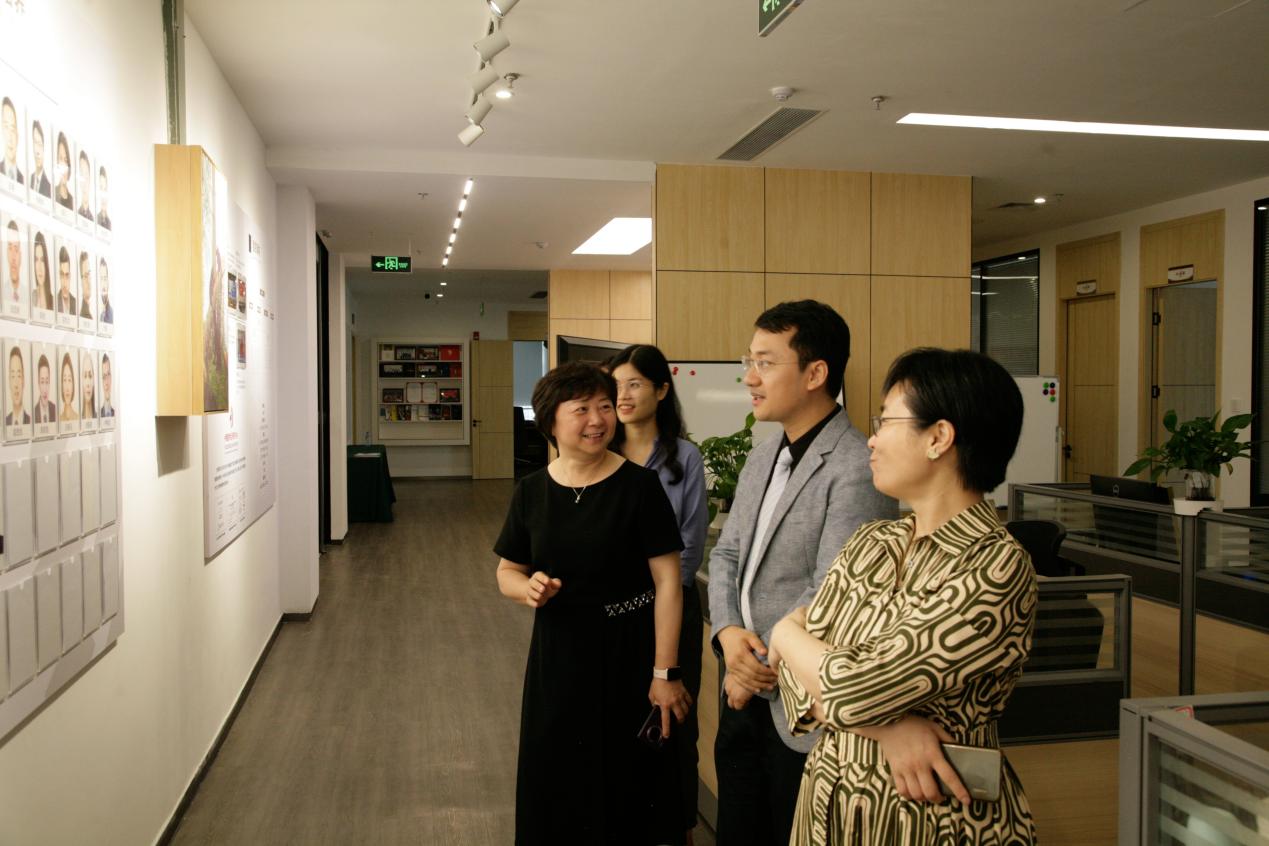
Following the ceremony, CFLC representatives toured the Center’s facilities to discuss implementation plans. This visit allowed both institutions to identify priority projects and explore new cooperation opportunities. The partnership represents a milestone in China-Russia academic collaboration, creating valuable pathways for student development and cross-cultural exchange in the growing digital economy sector. By combining resources and expertise, both institutions aim to cultivate a new generation of professionals capable of contributing to bilateral economic and technological cooperation.